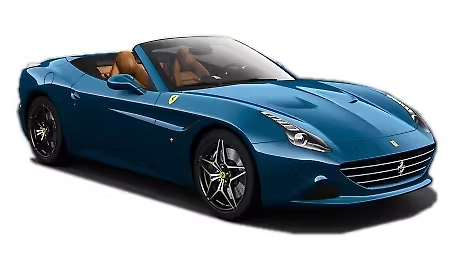
A Ferrari California can feel calm and polished until the roof starts acting wrong. That is often the first place owners notice hydraulic failure signs, because the retractable hardtop does not hide small weakness for long. A roof that pauses, tilts, drops too fast, smells oily, or refuses to finish its cycle is not being dramatic. It is warning you before a small leak turns into bent panels, stuck latches, or a repair bill that feels out of step with the original problem. For U.S. owners shopping used Californias, planning maintenance, or comparing repair quotes, the key is knowing what the roof is telling you early. Good practical car ownership guides matter here because exotic-car repairs punish guesswork. The California’s folding metal roof is part theater, part engineering, and part wallet test. Treat it like a system, not a switch. The car may still drive well while the top is close to giving up, and that is where many owners get caught.
Why Ferrari California Roof Problems Start Small but Get Expensive Fast
Ferrari California roof problems rarely begin with one loud failure. They often start as timing issues: one panel moves a touch slower, the rear deck lifts with more strain, or the pump sounds tired after sitting for a week. The trouble is that the system has to move heavy panels in a choreographed order. When one part falls behind, the rest of the roof keeps asking for alignment that is no longer there.
The retractable hardtop is not a normal convertible roof
The California does not use a simple cloth top that folds behind the seats. It uses a folding metal retractable hardtop with panels, hinges, latches, sensors, hydraulic cylinders, lines, and a pump. Ferrari’s own model material describes the California and California T around this retractable hard top idea, which is part of why the car works as both a coupe-style GT and an open car.
That strength is also the risk. A cloth roof can look tired and still move. A metal roof has weight, geometry, and tight clearances. If the trunk partition is not set, the battery is weak, or one sensor reads wrong, the control unit may stop the cycle before damage happens.
A small delay can still mean plenty. One California owner may notice the rear lid lifting slower on hot days in Phoenix. Another may see the top pause halfway after the car sat through a cold New Jersey winter. Same roof. Different clue. Both deserve attention.
Why the first quote can shock even seasoned owners
The first painful lesson is that the failed part is not always sold or repaired the way you expect. A roof hydraulic leak may come from one line, one seal, or one cylinder, but some dealer paths lean toward larger assemblies. That is where the convertible top repair cost can jump from a repair plan into a financial decision.
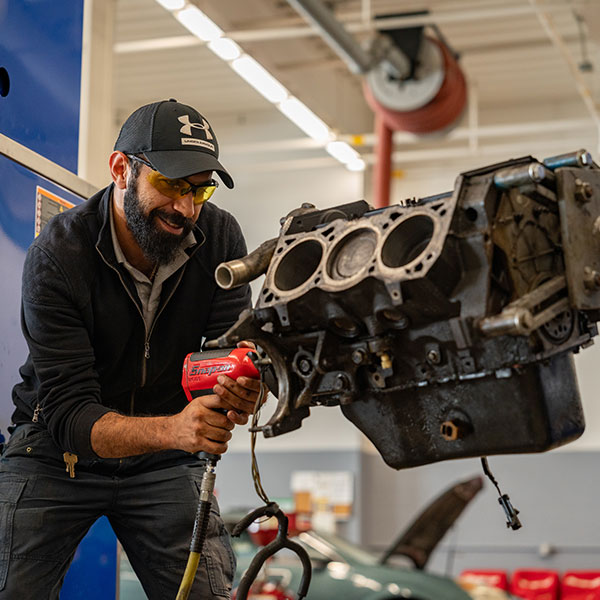
This is not because every shop is trying to scare you. It is because the roof is hard to access, hard to bleed, and easy to damage if handled poorly. A technician may need to remove trunk trim, inspect the pump area, watch live roof movement, and confirm whether the fault is hydraulic, mechanical, electrical, or a mix.
The non-obvious point: the cheapest quote can be the most expensive one if it skips diagnosis. A shop that tops off fluid without finding the leak may make the roof work for a week, then leave you with air in the system and the same failure coming back stronger.
For buyers, this is why a used exotic car inspection checklist should include several complete roof cycles, not one quick button press in the seller’s driveway.
Hydraulic Failure Signs That Show Up Before the Roof Quits
The roof usually gives you a pattern before it traps itself open or closed. You need to watch movement, sound, smell, and behavior together. One clue by itself can be minor. Three clues together are a message.
Slow movement, uneven panels, and stop-start operation
The most common early sign is slower roof motion. The roof begins its cycle, pauses, moves again, then hesitates before the next panel lands. You may also notice one side reaching position before the other. That crooked rhythm matters because hydraulic pressure must be even enough to keep the roof moving in sequence.
Another warning is a roof that opens but hates closing. Closing often asks more from the system because panels must settle, align, and latch. If the rear glass or roof panel drops faster than expected, do not keep cycling it to “see what happens.” That can turn a hydraulic issue into a mechanical one.
A healthy roof should not feel nervous. It should move with steady speed and a clear finish. If you find yourself holding your breath each time you press the switch, the car has already trained you to expect trouble.
Fluid smell, trunk stains, and pump strain
A roof hydraulic leak may show up as oily residue in the trunk area, dampness near hydraulic lines, or a faint fluid smell after roof operation. Some leaks are not dramatic. They do not drip onto the garage floor. They hide behind trim and only appear when pressure rises during roof movement.
The pump sound is another clue. A strained pump may run longer than normal or sound sharper as it tries to build pressure. Low fluid can cause noise, but low fluid usually has a cause. Fluid does not vanish as a maintenance item in a closed system.
Here is the part many owners miss: a clean trunk does not clear the system. A leak can sit behind panels or inside a cylinder seal. That is why a proper inspection often means removing trim, not peeking under the carpet with a flashlight.
The NHTSA-hosted Ferrari technical bulletin is useful here because it lists RHT hydraulic fluid leakage, RHT sensors, slider failure, and related roof concerns as categories worth reporting in detail. That does not diagnose your car by itself, but it proves these are known roof fault areas, not random garage myths. A good technician should think in systems, not guesses.
Cost Ranges, Repair Choices, and When to Avoid a Cheap Fix
Once the roof acts up, owners want one number. That is fair, but the honest answer is a range. The convertible top repair cost depends on whether you need fluid service, cylinder rebuilding, pump work, line repair, sensor correction, slider repair, or a larger assembly. Labor location matters too. Ferrari labor in Los Angeles, Miami, Dallas, or New York will not feel like labor at a general repair shop.
Dealer assembly replacement versus specialist repair
A dealer may recommend replacing a larger hydraulic assembly, especially when Ferrari parts packaging, liability, or repair policy points that way. Owner reports have shown quotes that reach the high five-figure zone when the proposed path includes major roof assemblies. That number sounds wild until you factor in exotic parts, labor hours, calibration, and the risk of damaging painted roof panels.
Specialist repair can land lower when the fault is isolated. Rebuilt hydraulic pumps, rebuilt cylinder sets, repaired sliders, or targeted line work may cut the bill by thousands. Some Ferrari California owners look to hydraulic specialists because they deal with roof cylinders and pumps every day, not once a year.
Still, cheaper does not always mean wiser. A roof hydraulic leak repaired with poor hose work can fail under pressure. A misaligned panel can chip paint. A rebuilt part installed without proper bleeding can leave the roof jerky or weak. The shop matters as much as the part.
A sane U.S. budget might look like this:
- Inspection and diagnosis: often a few hundred dollars, depending on access.
- Minor adjustment, reset, or sensor-related correction: lower four figures in many cases.
- Pump or cylinder rebuild path: often mid four figures once labor is included.
- Dealer-level assembly replacement: can climb into high four figures or five figures.
Those are planning ranges, not promises. A Ferrari invoice has a way of making tidy estimates look brave.
The hidden cost is damage after the warning
The roof repair itself is not always the worst cost. Damage from forcing the system can be worse. A top stuck halfway invites panic. Someone pushes a panel by hand, another person presses the switch again, and suddenly the problem includes bent linkages or scratched paint.
That is why “one more try” is risky. If the roof stops mid-cycle, stop and document the position. Take photos. Note the message on the dash if one appears. Do not keep cycling the switch until the battery gets weak and the pump gets hot.
The counterintuitive move is patience. Owners are used to fixing intermittent car faults by repeating the action. A window switch works after three tries, so they try the roof three times too. The California’s roof is not that forgiving. Repetition under low pressure can multiply the fault.
Before approving work, ask the shop to separate diagnosis from repair. You want to know whether the issue is pressure loss, sensor conflict, latch failure, slider wear, or mechanical binding. Those are different problems with different bills.
For owners trying to lower risk, a convertible maintenance guide can help set habits before the first warning appears.
How to Inspect, Prevent, and Negotiate the Repair Like an Owner Who Knows the Car
Once you understand the roof as a system, your choices get better. You do not need to become a Ferrari technician. You need enough knowledge to describe symptoms, avoid bad habits, and question vague repair quotes.
What to check before you blame the hydraulics
Start with the simple checks. Make sure the trunk partition is correctly placed. Confirm the battery is healthy. Operate the roof with the engine running, on level ground, with no luggage near the moving parts. A weak battery can confuse roof behavior because the system relies on steady electrical power to run the pump and read sensors.
Then watch a full cycle from outside the car. Look at the rear deck, side movement, panel timing, latch action, and final close. Listen for pump strain. Smell for fluid. Check the trunk area after operation, not hours later when small seepage has spread or dried.
The best inspection happens before purchase. A seller may say, “The roof works.” That is not enough. Ask for several complete cycles with a pause between each one. Heat can change behavior. A system that works once in a cool showroom may struggle after repeated use.
Ferrari California roof problems also show up through uneven confidence. If the seller avoids using the roof, jokes about never opening it, or says the car is “better as a coupe,” take the hint. That may be preference. It may also be fear.
Questions to ask before approving the work
A good repair conversation should sound specific. Ask where the leak was found. Ask whether the pump, lines, cylinders, latches, sliders, and sensors were checked. Ask if the system was bled after work. Ask whether any roof calibration or alignment was needed.
If the quote says “replace roof system,” ask what failed first. Sometimes that answer is valid. Sometimes it hides uncertainty. You are not being difficult. You are protecting the car.
Ask for photos from behind the trim. Ask for part numbers when possible. Ask whether rebuilt parts carry a warranty. Ask what happens if the first repair does not solve the symptom. A shop that works on these cars should not act offended by basic questions.
The non-obvious insight is that you should not shop only by price. Shop by failure path. A $3,500 repair that proves the leak, rebuilds the failed part, bleeds the system, and tests the roof many times may be better than a $1,200 guess. A $20,000 dealer quote may be painful but rational if multiple parts are damaged and the shop will stand behind the work.
Ownership of a Ferrari California is not about avoiding every big bill. It is about catching the bill before it grows teeth.
Conclusion
The California’s roof is one of the reasons the car still appeals to American buyers who want one Ferrari for dinner, weekends, and long summer drives. It gives you coupe comfort and open-air drama in the same car, but it asks for respect in return. Ignore the roof, and it can punish you faster than many engine problems.
For owners, hydraulic failure signs should be treated as early evidence, not background noise. A slow cycle, oily trunk trim, strained pump, or uneven panel is enough reason to pause and inspect. The right move is not fear. It is calm diagnosis from someone who understands Ferrari retractable hardtops.
Costs can swing from manageable repair work to painful assembly replacement, so the best money is spent before the roof stops halfway. Test it, document it, ask sharp questions, and resist the urge to force it through one more cycle. Your Ferrari will feel far less fragile when you stop treating the roof button like a gamble.
Frequently Asked Questions
How much does Ferrari California convertible top repair usually cost?
Minor diagnosis or adjustment may stay in the hundreds, while hydraulic pump, cylinder, or line work can reach several thousand dollars. Larger dealer assembly replacements can climb far higher. The final number depends on the failed part, labor rate, and whether panels need alignment.
What are the most common Ferrari California roof problems?
Slow movement, roof stoppage, latch faults, slider wear, sensor conflicts, pump strain, and hydraulic leaks are common complaints. The roof has many moving parts, so one weak area can make the whole system stop to protect itself from damage.
Can I drive a Ferrari California if the roof is stuck open?
Driving with the roof stuck open is risky if the panels are not fully latched or supported. Wind, vibration, and bumps can damage hinges or painted panels. Get the car into a safe spot and contact a Ferrari-capable shop before moving it far.
Is a roof hydraulic leak easy to find?
Some leaks are easy to spot near the trunk trim or hydraulic lines. Others hide behind panels or inside cylinder seals. A proper check often requires trim removal, pressure testing, and watching the roof operate instead of relying on a quick visual inspection.
Should I buy a Ferrari California with a slow convertible top?
Only consider it after a specialist inspection and a repair quote in writing. A slow top can be a minor issue, but it can also signal pump weakness, leaking cylinders, or panel binding. Price the car as if repair is needed soon.
Can a weak battery cause Ferrari California roof issues?
Yes, low voltage can interrupt roof movement or confuse the control system. The roof needs steady electrical power for the pump, latches, and sensors. Still, a battery charge does not fix a true hydraulic leak or worn roof part.
Are rebuilt hydraulic parts safe for a Ferrari California?
They can be a sound choice when supplied by a respected specialist and installed by someone who knows the roof system. The repair should include proper bleeding, leak checks, and repeated roof testing. Poor rebuilds or rushed installation can create bigger problems.
What should I do if the roof stops halfway?
Stop pressing the switch. Take photos, note any warning message, and keep the car protected from weather. Do not push panels by hand unless a qualified technician guides you. Forcing the mechanism can bend parts and turn one failure into several.