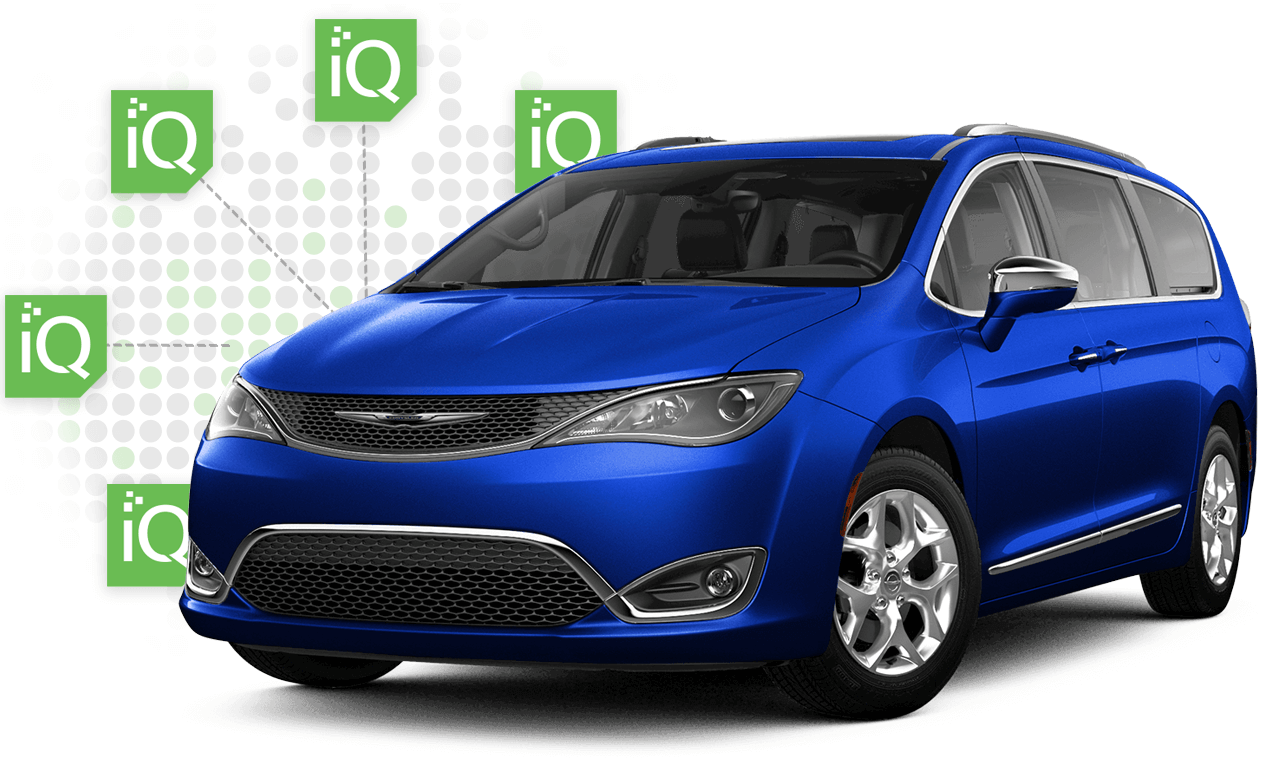
A family van is supposed to be the least dramatic vehicle in the driveway. Yet when a plug-in hybrid minivan flashes a warning, refuses to charge, or tells you to park outside, the worry feels different from a normal check-engine light. Chrysler Pacifica Hybrid owners often search for battery pack problems because the symptoms can affect safety, charging habits, repair timing, and family plans at the same time. The hard part is that not every warning means the main hybrid unit has failed. A weak 12-volt battery, cooling fault, software update, recall notice, or charging equipment issue can all point the finger in the same direction. That is why guessing gets expensive fast. If you want broader ownership and repair guidance, practical auto maintenance insights can help you think beyond one dashboard message. For this van, the smartest move is to sort symptoms by risk: fire-related recall instructions first, no-charge complaints next, then range loss, warning messages, and warranty coverage.
Why Pacifica Hybrid Battery Trouble Feels Different From Normal Car Trouble
Most gas-car problems give you a familiar pattern. The engine cranks slowly, the alternator light comes on, or a mechanic reads a code and points to a common part. A plug-in hybrid adds another layer. The Pacifica has a gas engine, a high-voltage system, a 12-volt system, cooling loops, onboard charging gear, and software watching all of it.
That does not mean the van is fragile. It means the clues need order. A Pacifica Hybrid battery failure can look like a charging fault in the morning, a warning light after school pickup, or an electric range drop after a cold week in Michigan. The van may still drive, which makes owners delay the visit. That delay is sometimes harmless. In recall cases, it is not.
The warning light rarely tells the whole story
“Service Hybrid Electric Vehicle System” sounds direct, but it is not a final diagnosis. It is the van saying one part of the hybrid chain is unhappy. The problem could live in the high-voltage unit, the battery heater, the onboard charger, a coolant sensor, or the smaller 12-volt battery that wakes up control modules.
This is where owners get trapped. They see one message and assume the most expensive part has died. A dealer may still need to test the 12-volt battery, pull stored codes, check coolant levels, and see whether the van falls under an open campaign. That first hour of testing matters more than a dozen forum guesses.
A useful home clue is timing. If the message appears after charging, think charging system or battery monitoring. If it appears during cold starts, pay attention to heater and coolant-related faults. If it appears with a no-charge condition, write down the charger type, outside temperature, and battery percentage. Those details help the technician avoid chasing ghosts.
Recalls changed the way owners should react
The Pacifica Hybrid is not a normal “keep driving until Friday” case when an open fire-risk recall applies. NHTSA has warned certain owners to park outside, away from structures, and not charge until recall repair work is complete. That sounds severe for a minivan, but high-voltage safety leaves less room for casual waiting.
Official recall remedies may include Battery Pack Control Module software, inspection, and replacement when the vehicle fails the required checks. That mix confuses some owners. They expect either a simple update or a full part swap. In practice, the software helps the vehicle and technician see whether the deeper repair is needed.
Here is the non-obvious part: a recall notice does not always mean your van is showing symptoms. It can mean the risk exists before the van gives you any clear warning. That feels backward because most repairs start after a complaint. With high-voltage safety, the order can flip. The recall comes first, and the symptom may never arrive.
Battery Pack Problems That Begin With Heat, Software, and Safety Warnings
The scary failures get the headlines, but the daily ownership friction is often quieter. You plug in overnight and wake up with less charge than expected. You see a message, then it disappears. The van drives on gas, but the electric side feels absent. Those moments create a strange limbo: the Pacifica still works as transportation, yet it no longer works as the plug-in hybrid you paid for.
Owners should separate safety alerts from comfort complaints. Fire-risk instructions deserve fast action. Charging annoyance needs careful testing. Range loss needs context. This order keeps you from treating every symptom like a disaster while still respecting the serious ones.
Thermal risk is about chemistry, not driver behavior
When a recall report says a high-voltage unit can fail internally, it is not blaming how you drive to Target, whether you use remote start, or whether your commute is short. Battery cells are manufactured parts. If a defect sits inside a cell, a tidy charging routine cannot always erase that risk.
That point matters because owners often blame themselves. They wonder if Level 1 charging at home caused the trouble, or if a hot driveway in Arizona pushed the system too far. Heat can stress any battery system, but recall-related fire risk points to a defect pattern that needs the official remedy. Your best action is not guilt. It is VIN checking and repair scheduling.
Use the official NHTSA recall lookup with the full 17-digit VIN, not only the model year. Pacifica Hybrid recalls can be narrow, and two vans from the same year can have different status because production dates and parts batches matter. That one step prevents a common mistake: assuming every van in a model year is included, or none are.
Software can protect the van without fixing every complaint
Software updates are often misunderstood. Owners hear “software” and think the repair is small, maybe even cosmetic. In a hybrid, software can change how the system monitors cell behavior, sets warnings, limits charging, or decides when to protect the vehicle. That is serious work, even if no heavy part comes off the van.
Still, software is not magic. It can detect patterns, reduce risk, and point the dealer toward replacement when readings fail the test. It cannot turn a damaged unit into a healthy one. This is why some owners get the update and leave with a functioning van, while others end up waiting for a high-voltage assembly.
A good dealer visit should leave you with more than “we updated it.” Ask what codes were stored, whether the inspection passed, whether charging is cleared, and whether any warranty extension or recall instruction applies. Keep the paperwork. If the same high voltage battery warning returns two weeks later, that document becomes your timeline.
Charging Failures and Range Loss That Owners Often Misread
Charging trouble feels simple from the outside. The van either charges or it does not. In real life, Chrysler hybrid charging issues can come from the wall outlet, portable cord, onboard charger, charge port, 12-volt battery, software, temperature, or the high-voltage unit itself. The symptom at the plug is often the last link in the chain, not the first.
This is the blunt truth about Chrysler hybrid charging issues: a no-charge complaint needs a boring, methodical approach. Try another outlet if you are using Level 1. Check whether a Level 2 station gives the same result. Note whether the charge ring lights behave differently. Then stop experimenting if a recall tells you not to charge. Safety instructions beat troubleshooting curiosity every time.
No-charge symptoms can start outside the main unit
A Pacifica that will not accept charge can make an owner picture the largest and costliest part under the floor. Sometimes that fear is right. Often, the first failure sits elsewhere. A worn portable charging cord, a loose household outlet, a tripped GFCI, or a weak 12-volt battery can block charging before the main hybrid system gets a fair chance.
The 12-volt angle surprises people. It is small, familiar, and easy to ignore beside a large hybrid system. Yet control modules need stable low-voltage power to wake up and communicate. When that small battery gets weak, the van can throw strange messages that look much bigger than the true fault.
A practical test pattern helps. If the van charges on a public Level 2 station but not at home, look at the home circuit or cord. If it fails everywhere and shows the same warning, the van needs dealer-level diagnosis. If the 12-volt battery is old, test it before assuming the high-voltage side has failed.
Range loss is not the same as failure
Electric range drops in winter. It also drops with highway speed, heavy cabin heat, short trips, old tires, and a packed van full of kids, luggage, and sports gear. A Pacifica Hybrid that once showed 32 miles and now shows less is not automatically headed for a high-voltage replacement.
The counterintuitive truth is that the dashboard estimate may be more of a memory than a measurement. It learns from recent driving. A week of cold morning school runs in Illinois can train the guess-o-meter downward. A mild week with gentle city driving can bring it back up. That swing can feel like damage when it is only math reacting to your routine.
Real concern starts when range loss comes with warning messages, failed charging, sudden power limits, or a sharp change that does not match weather or driving. Track miles driven on electric power, not only the number shown after charging. The estimate can lie politely. Actual trip behavior tells the better story.
Warranty, Dealer Diagnosis, and Everyday Prevention
The repair path matters because high-voltage work is not like replacing a standard car battery in a parking lot. Most owners should not hunt for a cheap quick fix. The Pacifica Hybrid uses parts and procedures that belong with trained technicians, safety gear, and factory information. That can be annoying when appointments are backed up, but it protects you from a bad repair and a worse argument later.
Warranty coverage also changes the money story. Depending on state rules and vehicle details, high-voltage coverage may run longer than the basic warranty. That is why the service conversation should start with VIN, mileage, in-service date, state of registration, recall status, and exact symptoms. The paperwork can matter as much as the warning light.
The first phone call should be specific
Calling a dealer and saying “my hybrid battery is bad” may send the conversation in the wrong direction. Better: “My Pacifica Hybrid shows this exact message, it does or does not charge, the VIN has or does not have an open recall, and the 12-volt battery was last replaced on this date.” That gives the service writer a cleaner starting point.
Ask whether the dealer has a hybrid-certified technician available. Ask whether they can perform recall work on your model year. Ask whether the van should be towed, especially if warning messages tell you to stop, if the van will not shift, or if recall guidance says to park away from structures.
For your own records, take photos of dashboard messages and charging lights. Save app screenshots if charging stops early. Write down the outside temperature and the charger used. A single note can cut through confusion later, especially when a warning disappears before the appointment.
Do not approve a costly repair before coverage is checked
A Pacifica Hybrid battery failure can create panic because owners know high-voltage parts are not cheap. That fear can push people into saying yes before they know whether a recall, emissions warranty, high-voltage warranty, state warranty rule, or goodwill assistance applies. Slow down.
Ask the dealer to document the failed part number, diagnostic trouble codes, recall status, warranty status, and reason for denial if coverage is refused. If the van is near a mileage or time cutoff, ask for the decision in writing. That is not being difficult. It is normal ownership defense when the repair can be large.
You can also build a smarter ownership file by reading hybrid vehicle maintenance warning signs and used minivan inspection tips before buying before trouble starts. Keep charging habits steady, test the 12-volt battery when odd warnings appear, and stop driving if the van smells hot, shows smoke, loses power, or gives a serious high voltage battery warning. The quiet win is that a written record turns vague fear into a case file.
Conclusion
The Pacifica Hybrid is a useful family van because it can handle errands on electric power and longer trips on gas without making owners plan every mile around a charger. That same split personality makes diagnosis harder when the hybrid side acts up. The best owners do not guess. They sort the symptom, check the VIN, follow safety instructions, test the small things, and keep clear records.
That approach matters most with battery pack problems because the range of outcomes is wide. A warning may lead to a software update, a 12-volt replacement, a charging cord fix, a dealer inspection, or a high-voltage replacement under coverage. Those are not the same story, even when the dashboard uses similar language.
Start with safety, then proof, then coverage. If your van is under recall guidance, do not charge it because a forum said someone else did. If the message returns, document it. If a repair is denied, ask why in writing. A calm paper trail can save more money than a loud argument.
Frequently Asked Questions
How do I know if my Pacifica Hybrid has an open battery recall?
Use the full 17-digit VIN on the official NHTSA recall lookup or Mopar owner site. Do not rely only on model year because recall groups can depend on build dates, parts batches, and campaign scope.
Is it safe to charge a Chrysler Pacifica Hybrid with a recall notice?
Follow the exact recall notice for your VIN. If it says not to charge and to park outside, treat that as a safety instruction until the dealer completes the remedy and confirms the van is cleared.
What does a high voltage battery warning mean on a Pacifica Hybrid?
It means the hybrid system detected a fault that needs diagnosis. The cause may be the high-voltage unit, cooling system, charger, software, or even the 12-volt battery, so code reading and testing matter.
Can a weak 12-volt battery cause hybrid warnings?
Yes. A weak 12-volt battery can cause control modules to behave poorly and may trigger confusing warning messages. It should be tested before anyone assumes the main hybrid unit has failed.
Why does my Pacifica Hybrid lose electric range in winter?
Cold weather, cabin heat, short trips, and recent driving patterns can lower the displayed estimate. Judge concern by actual electric miles, warning messages, failed charging, and sudden changes that do not match weather.
Should I take my Pacifica Hybrid to any repair shop?
For high-voltage diagnosis, use a Chrysler dealer or a shop trained for hybrid work. The system needs proper safety steps, scan tools, service data, and warranty handling that general repair shops may not have.
What paperwork should I keep after a hybrid battery visit?
Keep the repair order, diagnostic codes, recall status, software update notes, warranty decision, and any photos of dashboard messages. Those records help if the same fault returns or coverage becomes disputed.
Is a used Chrysler Pacifica Hybrid risky to buy?
It can be a smart buy if the VIN is checked, recall work is complete, charging works on Level 1 and Level 2, service records are clear, and the warranty timeline still protects the high-voltage system.