
A late vehicle does not become a problem when the customer complains. It becomes a problem the moment no one in the business can explain where that vehicle is, why it slowed down, and what should happen next. That is why Real-Time Tracking has moved from a useful fleet feature to a daily operating habit for companies that depend on vehicles to keep promises. Modern fleets do not fail because one driver takes a wrong turn or one delivery gets delayed. They fail when small gaps in location, timing, fuel use, and communication pile up until nobody has a clean view of the day. For businesses that want stronger visibility across transport work, digital growth and visibility support can also play a role in how clearly they present smarter operations to customers and partners. Fleet operations now demand faster choices, calmer dispatching, and better proof when questions come up. The companies that win are not the ones with the most vehicles. They are the ones that know what each vehicle is doing while there is still time to act.
Real-Time Tracking Gives Fleet Teams Control Before Problems Grow
Strong fleet management starts before the breakdown, before the missed delivery window, and before the angry phone call. A dispatcher watching a live route can spot a delay while it is still small enough to solve. That single difference changes the mood of the whole operation because the team stops reacting blindly and starts managing with context.
How vehicle tracking turns location into action
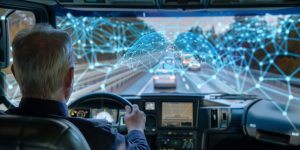
Vehicle tracking is not only about seeing dots move across a map. That is the shallow version. The real value appears when a manager can connect location with timing, route behavior, job status, and customer expectations in one working picture.
A plumbing company with twelve vans, for example, may have three technicians finishing early, two stuck in traffic, and one heading toward the wrong side of town. Without vehicle tracking, the office only learns this after calls start stacking up. With live visibility, the closest available technician can be reassigned before the customer feels the delay.
This matters because wasted motion rarely looks dramatic at first. One extra ten-minute detour feels harmless. Five drivers making small detours every day becomes lost labor, missed appointments, and higher fuel spend. The map is not the answer by itself; the action taken from the map is what protects the day.
Why dispatch decisions improve with live route insight
Dispatching used to depend heavily on habit. Someone knew which driver usually handled a zone, which route normally worked, and which customer tended to be patient. Experience still matters, but memory alone cannot keep up with road closures, traffic jams, weather shifts, and last-minute service calls.
Live route insight gives the dispatcher a cleaner choice. Instead of calling three drivers to ask where they are, the team can see who is closest, who has enough time, and who is already carrying the right equipment. That saves minutes, but it also saves energy. Nobody enjoys working inside confusion all day.
The counterintuitive part is that tracking can make dispatching feel less mechanical, not more. When the office has facts, conversations become calmer. Drivers are not being chased for updates every twenty minutes, and managers do not have to guess their way through pressure.
Better Delivery Visibility Builds Trust With Customers
Once a fleet leaves the yard, customers judge the company by what happens next. They may never meet the operations manager or see the planning board. They feel the business through arrival times, updates, service accuracy, and how honestly delays are handled. Delivery visibility turns that hidden back-end work into a customer-facing advantage.
Why accurate arrival updates matter more than speed alone
Customers can often tolerate a delay when they know what is happening. Silence creates the damage. A delivery that is fifteen minutes late with a clear update feels organized; a delivery that is five minutes late with no explanation can feel careless.
Delivery visibility gives companies a way to communicate with confidence. Instead of vague promises like “the driver is nearby,” teams can give a practical time window based on live movement. That turns customer service from apology mode into guidance mode.
A catering company offers a simple example. If a van carrying food for an event slows down because of a highway crash, the office can notify the venue, adjust serving prep, and reassure the client before panic spreads. Speed matters, but trust often comes from being told the truth early enough to plan around it.
How fleet operations protect service promises
Fleet operations sit behind every promise printed on a website, proposal, or service agreement. Same-day delivery, scheduled maintenance, emergency response, and field visits all depend on vehicles moving as planned. When that movement becomes visible, promises become easier to protect.
The hidden benefit is accountability across the whole chain, not only the driver. A late arrival might come from poor scheduling, unrealistic route planning, warehouse loading delays, or a customer address entered wrong. Visibility helps leaders fix the source instead of blaming the person at the wheel.
That distinction matters. Weak teams use tracking to find someone to fault. Strong teams use it to find the part of the system that keeps causing friction. Customers feel the difference because better systems create fewer excuses.
Driver Accountability Works Best When It Feels Fair
Tracking can become a sensitive subject fast if companies handle it poorly. Drivers do not want to feel watched for the sake of being watched, and they have a point. The goal should not be surveillance theater. The goal should be a fairer, safer, more honest way to understand how work happens on the road.
Why driver accountability needs context
Driver accountability only works when the data tells the full story. A vehicle stopped for twenty minutes might look lazy from a distance. In reality, the driver may be waiting at a locked gate, helping a customer, taking a required rest break, or dealing with unsafe unloading conditions.
Good managers know this. They use data as the start of a conversation, not the end of one. That approach builds trust because drivers can see that information will not be twisted into a weapon.
There is also a quiet fairness here. Without records, the loudest complaint often wins. With location history, time stamps, and route data, a driver can prove they arrived on time, followed the assigned route, or waited because the customer was not ready. Accountability should protect good people as much as it corrects poor habits.
How safer habits show up in daily route data
Safety rarely improves because someone gives one big speech in a meeting room. It improves when small habits become visible and get coached over time. Harsh braking, speeding patterns, long idle periods, and repeated risky routes all leave clues.
Driver accountability becomes more useful when managers focus on patterns instead of isolated mistakes. One hard brake may mean a child ran into the road. A repeated braking pattern near the same intersection may mean the route itself needs a rethink. Data should sharpen judgment, not replace it.
A waste collection fleet gives a clear example. If several trucks show repeated delays and sudden braking on a narrow street, the issue may be route design rather than driver behavior. The smarter move is to adjust the route, not scold the team. That is how tracking earns respect.
Fleet Data Turns Daily Movement Into Long-Term Improvement
The best fleet decisions often come from ordinary days. Not the emergency. Not the dramatic breakdown. The ordinary Tuesday route, repeated for months, tells leaders where money leaks, where vehicles wear down, and where customers keep waiting longer than they should. Real-Time Tracking gives that daily movement a memory.
How maintenance planning becomes less reactive
Maintenance problems often announce themselves quietly before they become expensive. Longer idle times, repeated route strain, irregular usage, and mileage patterns can all help managers plan service before a vehicle fails during work hours.
A service fleet with twenty vehicles might discover that two vans cover far more stop-and-start city miles than the rest. Treating every van the same would be lazy planning. Those two vehicles need closer attention because their wear pattern is different, even if their mileage looks normal at first glance.
This is where fleet data becomes practical rather than fancy. It helps managers stop treating the fleet as one large object and start treating each vehicle as a working asset with its own pressure points. That mindset saves money because repairs planned on your calendar hurt less than breakdowns planned by bad luck.
Why route patterns reveal hidden costs
Routes carry costs that do not always appear on a fuel receipt. A road with constant congestion burns time. A delivery order that forces vehicles to crisscross town drains labor. A customer slot placed too late in the day may create overtime every Friday.
Fleet operations improve when leaders study these patterns without ego. The route that made sense last year may no longer fit today’s traffic, customer base, or staffing level. Holding onto an old plan because it feels familiar is one of the easiest ways to lose money slowly.
The better approach is plain: review the routes, compare the actual movement against the planned movement, and change what the data keeps proving wrong. That does not require a massive overhaul every week. It requires the discipline to notice small waste before it becomes part of the culture.
Frequently Asked Questions
Why does real-time fleet tracking matter for modern businesses?
It helps businesses see where vehicles are, respond to delays early, and keep customers informed with accurate updates. The biggest value is control. Teams can make better choices while a job is still active instead of explaining problems after the damage is done.
How does vehicle tracking improve daily fleet management?
Vehicle tracking gives managers a live view of routes, stops, delays, and driver progress. That makes dispatching cleaner and reduces unnecessary calls for updates. It also helps teams spot wasted movement, adjust schedules, and support drivers with better information.
What is the biggest benefit of delivery visibility for customers?
Delivery visibility reduces uncertainty. Customers want to know when something will arrive and whether a delay affects their plans. Clear updates build trust because the business looks prepared, honest, and organized even when road conditions change.
Can driver accountability improve without hurting morale?
Yes, but only when companies use tracking fairly. Data should explain patterns, protect responsible drivers, and support coaching. Morale drops when tracking feels like punishment. It improves when drivers see that records can defend them as well as guide them.
How do fleet operations reduce fuel and labor waste?
Fleet operations reduce waste by showing where vehicles idle too long, take inefficient routes, or repeat avoidable delays. Managers can adjust routes, balance workloads, and schedule jobs more carefully. Small daily corrections often create major savings over time.
Is real-time vehicle data useful for small fleets?
Small fleets may benefit even faster because every vehicle matters more. One delayed van can affect several customers in a day. Live vehicle data helps small teams respond quickly, make better dispatch choices, and avoid losing time through guesswork.
How does tracking support fleet maintenance planning?
Tracking helps managers understand mileage, usage intensity, idle time, and route strain. Those details make maintenance planning more accurate. Instead of servicing every vehicle on the same rough schedule, teams can focus attention where wear is building fastest.
What should companies consider before choosing fleet tracking software?
Companies should look for clear location data, easy dispatch tools, useful reports, driver-friendly policies, and customer update options. The best system is not the one with the longest feature list. It is the one your team will use every working day.