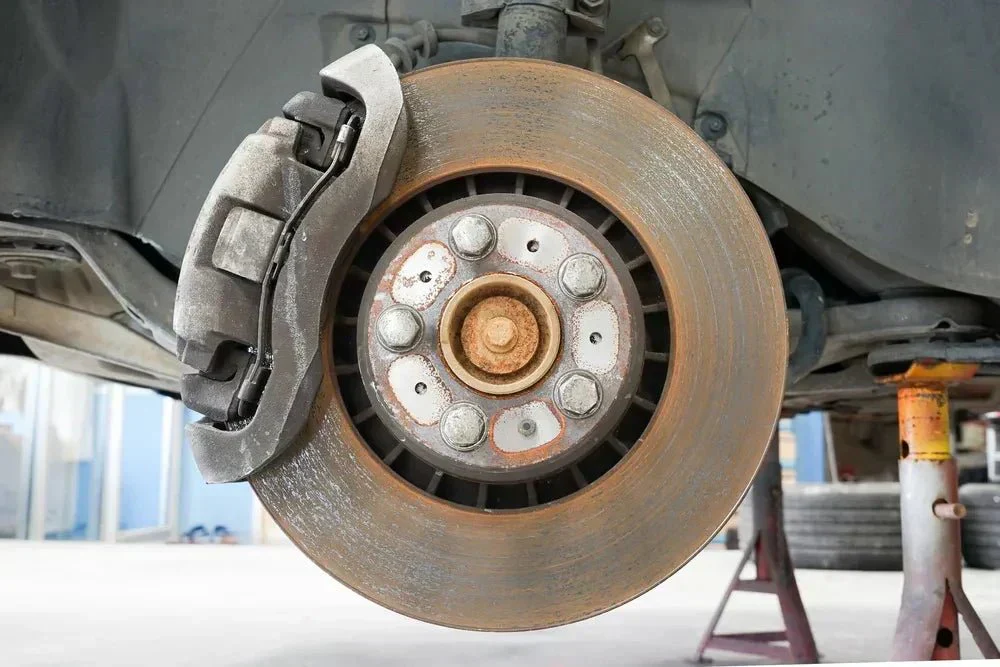
A brake job can feel simple until one frozen fastener turns a quiet Saturday into a fight under the wheel well. A seized caliper bracket bolt is usually caused by corrosion, old thread locker, road salt, heat cycles, poor past service, or a tool that was not seated squarely before force was added. The safe answer is not more anger on the wrench. It is better setup, cleaner access, controlled force, and knowing when the part has crossed from stubborn to dangerous. For U.S. drivers working on daily commuters, trucks, and older salt-belt cars, repair guidance that feels written for real drivers matters because brakes are not trim pieces. The service brake is the main system that stops a vehicle, which is why guessing has no place here. If the bolt head rounds, the bracket cracks, or the threads pull, the job gets bigger fast. Slow work wins. Safe work wins faster.
Why a Caliper Bracket Bolt Seizes Before You Touch the Wrench
The first mistake is thinking the bolt became stuck the moment your socket slipped. It did not. Most frozen brake hardware has been getting worse for years through water, heat, road grit, and small repair choices nobody noticed at the time. By the time you meet it, the damage has already had a long head start.
Corrosion hides where the eye cannot see
On many U.S. cars, the outside of the fastener may look ugly, but the worst rust sits deeper. Salt spray from winter roads creeps into the bracket ears, thread pockets, and exposed shank area. Then the brake assembly heats up, cools down, and pulls moisture back into tight gaps.
That cycle matters. A mounting fastener near the rotor lives in a harsh place. It sees heat, water, dust, and vibration in the same small space. A stuck brake caliper bolt on a Michigan sedan or a Pennsylvania pickup may not be a sign of poor ownership. It may be a sign of normal use in a brutal climate.
The counterintuitive part is that a cleaner-looking bolt can fight harder than an ugly one. If corrosion forms inside the threaded bore, the head may still look usable. That tricks you into adding force too soon. The wrench feels firm, then the head rounds without much warning.
Old thread locker and heat cycles change the fight
Many bracket fasteners leave the factory with thread locker or a dry locking patch. That is not a flaw. It helps keep brake hardware from backing out under heat and vibration. The issue starts years later, after repeated brake jobs, rusty threads, and someone using too much locking compound on reassembly.
Heat makes the old compound hard and stubborn. Add a little corrosion, and the bolt no longer behaves like a normal fastener. It behaves like two parts bonded together.
That is why rusted brake bolt removal often takes patience before power. A breaker bar can help, but only after the socket is fully seated and the head is cleaned. If you skip that, the tool may chew the bolt before the threads even move.
The Safe Way to Break the Bond Without Breaking the Bracket
Once you know why the fastener is stuck, the next step is to stop treating the job like a strength test. The best home mechanics do not win because they pull harder. They win because they make the bolt easier to move before asking it to move.
Set up the car so your force goes into the fastener
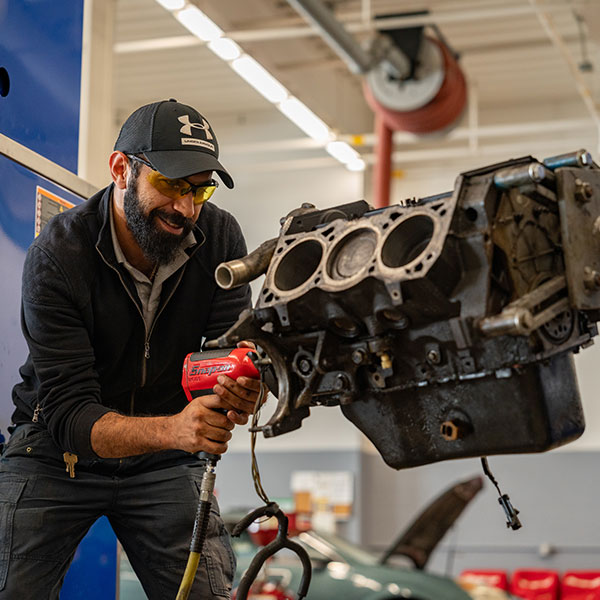
Start with the basics that feel too simple to mention. Park on flat ground, chock the opposite wheels, lift at the correct point, and support the vehicle with stands before the wheel comes off. Gloves and eye protection are not decoration; stuck fastener work can throw rust, metal flakes, and broken tool edges toward your face. Penetrating oil makers also advise eye and hand protection when dealing with rusted bolts and sprays.
Clean the bolt head before the socket goes on. A wire brush, pick, or brake cleaner can remove the crust that keeps the socket from sitting deep. Use a six-point socket, not a twelve-point. The six-point socket grips the flats better and gives you more room before the head starts to round.
Your body position matters too. Pull in a path where the socket stays square. If the wrench is angled, some of your force twists the tool off the head. That is how a repair turns into drilling, extraction, and new parts.
Heat, oil, and controlled shock beat blind force
Penetrating oil needs time. Spray the area where the threads enter the bracket, then let it sit. Tap the head and bracket area with a small hammer to help vibration travel into the joint. Do not swing like you are driving a fence post. The goal is shock, not damage.
Heat can help, but use it with care. Warm the bracket area around the threaded bore, not rubber parts, brake hoses, ABS wiring, or the booted slide pin. Keep flame away from flammable spray. Let the heat expand the metal around the threads, then try steady force again.
Rusted brake bolt removal works best in small moves. Try tightening a hair before loosening. That tiny shift can crack the rust bond. Then work back and forth. If it moves a few degrees, stop, add more penetrant, and work it again. Many people snap fasteners after they finally move because they rush the last half of the job.
When the Bolt Comes Out, the Repair Is Only Half Done
Getting the fastener loose feels like victory, but it is not the finish line. The bracket, threads, slide pins, and replacement hardware still decide whether the brake job is safe. A freed fastener can reveal damage you could not see while it was stuck.
Inspect the threads like they control the next stop
Once the fastener is out, look at the threads under good light. Heavy pitting, flattened threads, stretched sections, or missing metal mean replacement is the right move. Do not reuse a damaged brake fastener because it “went back in.” That is a weak test.
Look inside the bracket bore too. Dirt, rust flakes, and old compound can sit in the female threads. Clean them with the correct thread chaser when possible. Avoid cutting new metal unless you know the thread condition calls for it. A tap can remove material and loosen the fit if used carelessly.
Brake caliper bracket repair should feel boring when done right. The bracket sits flat. The threads accept the fastener by hand at first. The bolt tightens smoothly to the vehicle maker’s spec. Nothing binds, clicks, or feels gritty on the way in.
Replace hardware before one bad part ruins the job
Some jobs call for new bracket fasteners. Many service manuals list one-time-use hardware or call for fresh locking compound. Follow the vehicle maker’s repair data when you can access it. Guessing torque on brake hardware is a bad trade.
If the head rounded, the shank rusted thin, or the old threads dragged the whole way out, replace the fastener. If the bracket threads are damaged, replace the bracket or use the approved repair path for that vehicle. Do not stack washers, force a mismatched bolt, or chase a cheap shortcut.
This is also the moment to inspect slide pins, boots, pad abutment clips, and the rotor face. A frozen bracket fastener often shares the same environment with other tired parts. One Ohio SUV may come in for pads and leave needing clips, boots, and a bracket because rust did not attack one part politely. It spread.
For deeper brake checks after this repair, add your notes to a DIY brake inspection checklist and compare symptoms against a brake noise diagnosis guide before the next wheel comes off.
How to Prevent the Same Problem on the Next Brake Job
Prevention is not glamorous, but it saves knuckles. The same fastener that fought you today can come out clean next time if the repair ends with clean threads, correct torque, and the right protection in the right places. That last part matters more than most people think.
Use the right coating in the right place
People love anti-seize because it makes future removal easier. The trouble is that brake bracket fasteners may need a specific friction condition or thread locker to hold torque as designed. Putting the wrong compound on the wrong fastener can change clamping force even when the wrench clicks at the right number.
Follow the service information for your model. Some call for thread locker. Some call for clean, dry threads. Some replacement bolts come with a pre-applied patch. The smart move is not to coat every thread with the same silver paste.
Here is the non-obvious insight: more slippery is not always safer. On brake hardware, the goal is not easy removal alone. The goal is correct clamping under heat, vibration, and hard stops. That is why brake caliper bracket repair should respect torque specs, thread condition, and fastener design together.
Know when a shop is cheaper than damage
There is a point where the home repair stops being cheaper. If the bolt head is almost round, the bracket is flexing, the socket will not stay seated, or you need open flame near rubber parts, pause. A shop with induction heat, lift access, extractors, and replacement hardware can end the fight before it ruins the knuckle or bracket.
Before blaming age alone, check the NHTSA recall lookup for your vehicle, especially if you notice broader brake issues, warning lights, or repeated hardware failures. NHTSA provides recall search tools for vehicle safety problems and recall repairs.
One last thing: if the car is your only transportation, plan the job like it may go sideways. Buy replacement fasteners ahead of time when they are available. Start early in the day. Have a ride option. The cheapest brake job is the one that does not trap you at 9 p.m. with one wheel apart and a broken extractor in your hand.
Conclusion
Frozen brake hardware rewards calm hands and punishes pride. The safest path starts before the first pull: clean the head, seat the socket, support the car, soak the threads, and use force in a controlled line. When heat enters the plan, keep it aimed, modest, and away from rubber, wiring, and fuel risk.
The safest way to handle a caliper bracket bolt is to treat it as part of the braking system, not as a random piece of stuck metal. If it comes out damaged, replace it. If the bracket threads look torn, repair the bracket the right way or replace it. If the job starts to feel like a battle, stop before the battle gets expensive.
A safe repair is not the one that proves you are strong. It is the one that lets the car stop straight, quiet, and repeatably after the wheel goes back on.
Frequently Asked Questions
How do I know if a bracket fastener is seized or cross-threaded?
A seized fastener usually feels locked from the start, then may creak or pop as rust breaks. A cross-threaded one may turn with heavy resistance and feel gritty. Stop if it gets worse while backing out because forced removal can destroy the bracket threads.
Is heat safe to use near brake parts?
Heat can be safe when used with care on the metal bracket area only. Keep flame away from brake hoses, ABS wiring, rubber boots, fuel lines, and fresh penetrating oil. Many home mechanics should skip open flame and use a shop if access is tight.
Should I use an impact wrench on a stuck brake caliper bolt?
An impact can help when the socket fits tight and the head is still healthy. It can also round a weak head fast. Start with cleaning, penetrant, and a six-point socket. If the tool slips once, stop and change the plan.
What socket is best for a rounded brake bracket fastener?
A six-point impact socket is the first choice before damage happens. If the head is already rounded, a bolt extractor socket may grip better. Hammer it on squarely, then apply steady force. Avoid open-end wrenches because they spread under load.
Can I drive with one damaged bracket bolt?
No. The bracket holds braking parts in position under high force. A missing, loose, cracked, or damaged fastener can let the caliper shift and cause unsafe braking. The vehicle should stay parked until the hardware and bracket are repaired correctly.
Why does the lower bracket fastener seize more often?
Lower hardware often catches more water, salt, and road grit. It may also sit in a splash path from the tire. On older cars from snowy states, the lower fastener can corrode faster even when the upper one comes out without drama.
Should I replace both bracket fasteners if one was seized?
Often, yes. If one fastener fought hard, the other has lived in the same heat and road-salt zone. Replacement is cheap compared with another stuck repair later. Match the correct grade, length, thread pitch, and locking method for the vehicle.
What should I do if the fastener snaps inside the bracket?
Stop drilling until you can see the broken piece clearly. Remove the bracket if possible, center-punch the broken fastener, and use left-hand bits or extraction tools. If the bracket threads are damaged, replacement is often safer than a weak repair.