A good brake pedal has a plain honesty to it. You press, the car answers, and the whole system feels calm under your foot. Contaminated brake fluid signs often show up before total brake trouble, yet many U.S. drivers dismiss them as old pads, cold weather, or a bad day in traffic. That is the trap. Brake fluid does not need to look dramatic to weaken pressure, invite corrosion, or make your pedal feel wrong during a fast stop. If you drive in city traffic, tow on weekends, park outdoors, or own an older car, the fluid can age in ways you cannot hear from the driver’s seat. Good practical car maintenance guidance helps because the warning is often small at first: a softer pedal, darker fluid, a longer stop at the same speed, or an ABS light that appears after the car has already been hinting at trouble. The point is simple. Bad fluid does not fail like a flat tire. It fades, hides, and waits for heat.
Why Brake Fluid Goes Bad Before Drivers Notice
Brake fluid works inside a sealed hydraulic system, so many drivers assume it stays clean forever. That sounds reasonable until you remember how cars live. They heat up, cool down, sit through humid summers, crawl through salted winter streets, and get serviced by people who may open the reservoir with dirty tools nearby. The fluid is not only a liquid. It is the messenger between your foot and the brakes.
Moisture Is the Quiet Enemy Inside the System
Most common brake fluids used in American passenger cars are hygroscopic, meaning they absorb moisture over time. That does not mean rainwater is pouring into the reservoir. It can happen slowly through vented caps, rubber hoses, and normal service exposure. A bottle left open in the garage can pick up moisture before it ever reaches the car.
Here is the part many drivers miss: water lowers the boiling point. During a hard stop from highway speed, a long downhill grade in Colorado, or repeated braking in stop-and-go Atlanta traffic, calipers and wheel cylinders can get hot. If moisture-heavy fluid reaches its boiling point, vapor pockets may form. Vapor compresses. Fluid does not. That is why the pedal can feel soft exactly when you need firmness.
The federal brake fluid standard lists dry and wet boiling-point requirements for DOT grades, including DOT 3 and DOT 4, which shows why heat tolerance matters in the first place. You can review that standard through the official federal brake fluid standard. The non-obvious lesson is that “wet” performance is not a side note. It is closer to real life for a car that has been on the road for years.
Dirt, Wrong Fluid, and Old Rubber Can Change the Feel
Moisture gets most of the blame, but brake fluid contamination can also come from dirt, deteriorating rubber parts, metal particles, or the wrong fluid added by mistake. A small amount of petroleum-based fluid can harm rubber seals. Old hoses can shed material inside the system. A careless top-off with a dusty funnel can start a problem that no driver sees.
A common example is the used sedan that gets a cheap pad slap at a corner shop. The pads are new, but the fluid has not been changed in years. The owner expects a sharp pedal. Instead, the pedal still feels tired. The pads were only one part of the story.
This is where diagnosis matters. If pads, rotors, tires, and calipers get all the attention while the fluid gets ignored, the repair can feel incomplete. The brake pedal is reporting the whole system, not one part. For a deeper maintenance plan, a future internal guide such as brake system inspection checklist would pair well with this topic.
Contaminated Brake Fluid Signs You Can Feel, See, and Smell
Warning signs do not all arrive at once. Some show up through your foot. Others appear in the reservoir, at the wheels, or on the dash. The mistake is treating each clue as separate. A soft pedal, dark fluid, and longer stopping distance are not random annoyances when they point in the same direction.
A Spongy Brake Pedal Is More Than a Comfort Issue
A spongy brake pedal feels like the pedal has a cushion under it. It may travel farther than normal before the car slows. Sometimes it firms up if you pump it once or twice. That can point to air, moisture-related vapor, weak hydraulic pressure, or another problem that needs inspection.
Do not judge this by panic stops only. Pay attention at low speed first. Backing out of a driveway, rolling toward a stop sign, or inching through a parking lot can reveal a pedal that sinks more than it used to. You know your car’s normal feel better than any chart.
The counterintuitive part is that a soft pedal does not always mean the brakes are worn out. Pads can have plenty of material left while the fluid is old, aerated, or heat-stressed. That is why replacing pads alone may not fix the feel. A brake fluid flush may be the missing service, but a mechanic should check for leaks and failing parts before flushing anything.
Dark Fluid, Grit, or a Burnt Odor Deserve Attention
Fresh brake fluid is often clear to amber, though color can vary by product. Old fluid may look tea-colored, brown, or almost black. If you see specks, cloudiness, sludge, or a cap area coated with grime, the system is telling you it has been neglected. Do not open the reservoir in a dusty driveway and stir more trouble into it.
Smell can also tell a story. A burnt odor near the wheels after heavy braking may come from overheated pads, dragging calipers, or heat-soaked brake parts. The fluid itself may not be the only cause, but heat and old fluid are a bad pairing. That mix can make a mild issue show up faster.
For example, a driver in Phoenix who commutes on hot pavement and brakes hard in traffic may notice darker fluid sooner than a low-mileage driver in a mild climate. Mileage matters, but conditions matter too. Time is part of the service interval because fluid ages even when the car is not driven much.
How Bad Fluid Steals Stopping Power in Real Driving
Stopping power is not only about the brakes being able to clamp. It is about how fast pressure builds, how well heat is managed, and how predictable the pedal feels when your brain has no time to negotiate. Poor fluid adds delay and doubt. That is enough to matter.
Heat Turns Small Fluid Problems Into Big Pedal Problems
During normal braking, hydraulic pressure moves from the master cylinder through lines to calipers or wheel cylinders. When the fluid is healthy, that pressure transfer is direct. When the fluid contains moisture or vapor, some pedal travel goes into compressing gas instead of clamping the brakes. That makes the pedal feel longer and weaker.
Think about a family SUV descending a mountain road in Tennessee or Utah. The brakes may feel fine at the top. Ten minutes later, after repeated braking, the pedal feels lower. The rotors are hot, the calipers are hot, and moisture-weakened fluid has less margin left. The driver did not suddenly become rough on the brakes. The system lost reserve.
Here is the insight many drivers do not expect: bad fluid may feel normal during easy errands. It can pass the grocery-store test and fail the long-grade test. That is why a car can seem safe all week, then scare you during a loaded highway stop. The danger hides in heat.
ABS and Stability Systems Depend on Clean Hydraulic Response
Modern brakes do more than stop the wheels. ABS, traction control, and stability control all depend on fast hydraulic changes. If brake fluid contamination leaves deposits or sludge in small passages, the system can react slower or set warning lights. That does not mean every ABS light is a fluid issue, but old fluid can be part of the chain.
A real-world case looks like this: a driver sees an ABS light after a wet commute. The car still stops, so the warning gets ignored. Weeks later, the pedal starts feeling soft after a longer drive. At that point, the issue may involve sensors, wiring, hydraulic valves, or fluid condition. Waiting made the diagnosis harder.
A brake fluid flush can help when the fluid is aged or moisture-heavy, but it is not a magic reset for broken hardware. If the ABS light is on, the right path is testing, not guessing. A future internal resource like ABS warning light causes and repairs would help readers separate fluid service from electronic faults.
What to Do Before the Problem Becomes Expensive
The best response is not fear. It is a calm inspection plan. Brake fluid trouble gets expensive when drivers keep topping off, keep driving, or approve random repairs without asking what was tested. A good shop can check fluid condition, inspect for leaks, and explain whether the car needs service now or deeper repair.
Check the Reservoir Without Creating a New Problem
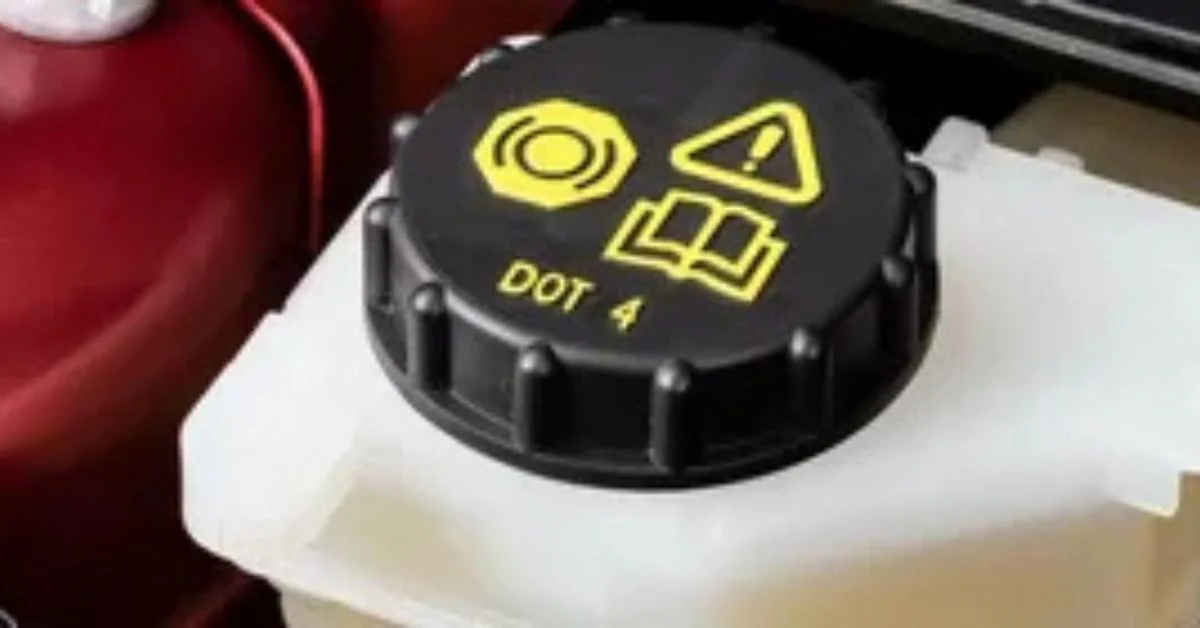
Start with the owner’s manual. It tells you the correct fluid type, often DOT 3 or DOT 4, and may list a service interval. Use the fluid listed for the vehicle. Mixing the wrong type can create seal problems or poor performance. If the level is low, do not keep topping it off without finding out why.
Brake fluid level can drop as pads wear, but a sudden drop is a leak warning. Look near the master cylinder, inside the wheels, along brake lines, and under the car. Any wet area that looks oily near brake parts deserves inspection. Brake fluid can damage paint, so do not wipe it across body panels.
The non-obvious move is restraint. Do not keep opening the reservoir to “check again” every day. Each opening can expose the fluid to air and dirt. Look through the translucent reservoir if possible. If you need to remove the cap, clean the area first and use care.
Know When a Flush Is Enough and When Repair Comes First
A brake fluid flush replaces old fluid with fresh fluid and bleeds the system. It can restore firmer pedal feel when the issue is aged fluid or trapped air after service. Many shops can test moisture or boiling point, though the method matters. Testing at the reservoir may not always tell the whole story because the hottest, most stressed fluid sits near the calipers.
Repair comes first when there is a leak, swollen hose, failing master cylinder, seized caliper, or warning light tied to a fault code. Flushing a leaking system is like mopping a floor while the sink still runs. It may look better for a moment, but the pressure problem remains.
Ask the shop direct questions: Was moisture tested? Was the fluid visibly dirty? Were leaks found? Was the pedal rechecked after bleeding? Good answers are specific. Vague talk about “dirty fluid” without showing evidence should make you slow down, not speed up.
Conclusion
Brake fluid is easy to ignore because it does its work in silence. That silence is not proof of health. The pedal feel, fluid color, warning lights, and stopping distance all give you small pieces of the same story. When those pieces line up, treat them as a safety issue, not a maintenance upsell. Contaminated brake fluid signs matter most because they often show up before the driver faces a hard stop with no room left. You do not need to become a brake expert to respond well. You need to know what normal feels like, check the reservoir with care, follow the fluid type in the owner’s manual, and get a real inspection when the pedal changes. The best brake repair is the one that happens before fear enters the cabin. Schedule the inspection, ask what was tested, and keep your stopping power honest.
Frequently Asked Questions
How often should brake fluid be changed in a normal U.S. car?
Many vehicles call for service about every two to three years, but the owner’s manual should guide the choice. Climate, driving style, towing, mountain roads, and humid storage can shorten the safe window. Testing helps when the interval is unclear.
What does a spongy brake pedal usually mean?
It often points to air, moisture-related vapor, a leak, or weak hydraulic pressure. A spongy brake pedal should not be ignored, even if the car still stops. The system needs inspection because pedal feel can worsen under heat.
Can dirty brake fluid cause longer stopping distance?
Yes, it can reduce how cleanly pressure moves through the brake system, especially when heat builds. Moisture, vapor, and debris can all hurt response. Tires, pads, and rotors also affect stopping distance, so the whole system should be checked.
Is a brake fluid flush worth it on an older car?
Yes, when the fluid is aged, moisture-heavy, or dirty and the hydraulic parts are still sound. It is not enough if there is a leak, bad hose, weak master cylinder, or ABS fault. Inspection should come before service.
What color should healthy brake fluid be?
It is often clear to light amber, though exact color depends on the product. Brown, black, cloudy, or gritty fluid suggests age or contamination. Color alone is not a full diagnosis, but it is a useful warning sign.
Can I add new brake fluid without flushing the system?
You can top off only with the correct type if the level is slightly low, but you should find out why it dropped. Adding fresh fluid does not remove moisture, sludge, or air from the system. It may hide a leak.
Why does my brake pedal feel worse after driving downhill?
Heat may be exposing weak fluid, air, worn parts, or brake fade. Long downhill braking can raise caliper and fluid temperature. Shift to a lower gear when appropriate, avoid riding the brakes, and get the system checked if pedal feel changes.
Can contaminated fluid damage ABS parts?
Yes, debris, moisture, and deposits can affect small hydraulic passages and valves over time. ABS problems can also come from sensors or wiring, so do not assume fluid is the only cause. A scan and hydraulic inspection give a clearer answer.